In modern industry and environmental protection, electrolysis is widely used in water treatment, descaling, sterilization, heavy metal recovery, and even hydrogen generation.
During the electrolytic polishing process, components such as phosphoric acid and sulfuric acid in the electrolyte react with the surface of the pipe.
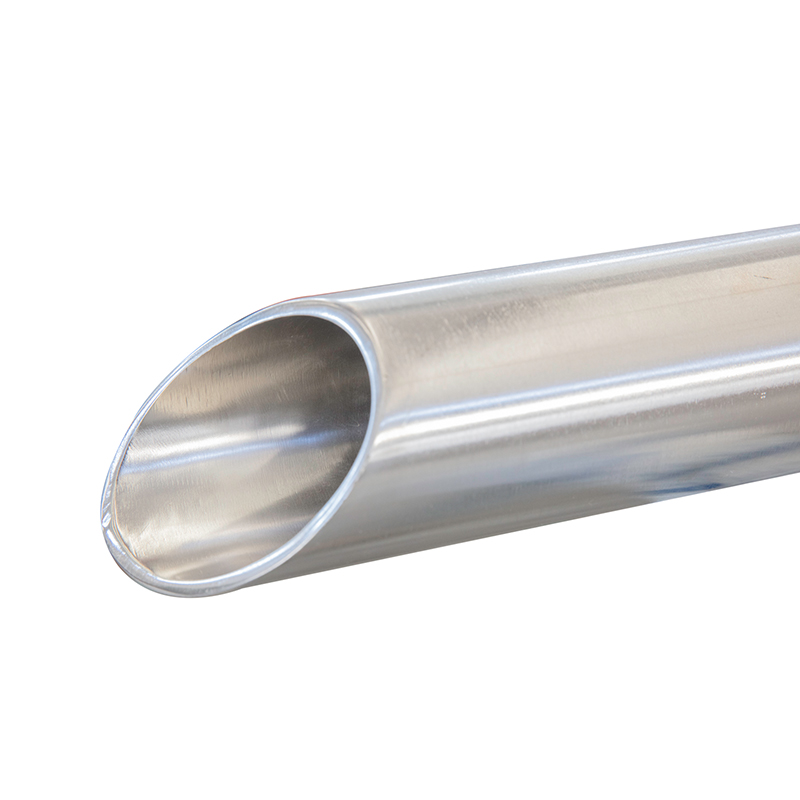
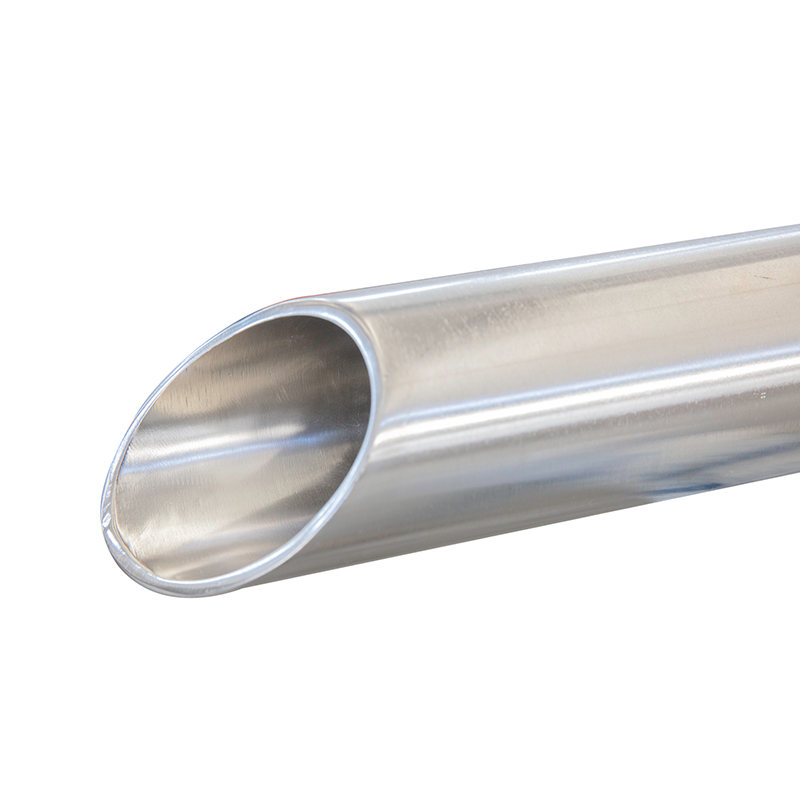
The improvement of corrosion resistance of stainless steel electrolytic tube by electrolytic polishing is first reflected in the optimization of surface structure.
During the mechanical polishing process, the friction between the tool and the pipe surface will generate residual tensile stress, and these stress points may become the source of crack initiation.
From the perspective of chemical stability, electrolytic treatment further enhances the corrosion resistance of the inner wall of the stainless steel pipe, which also indirectly helps to reduce the risk of scaling.
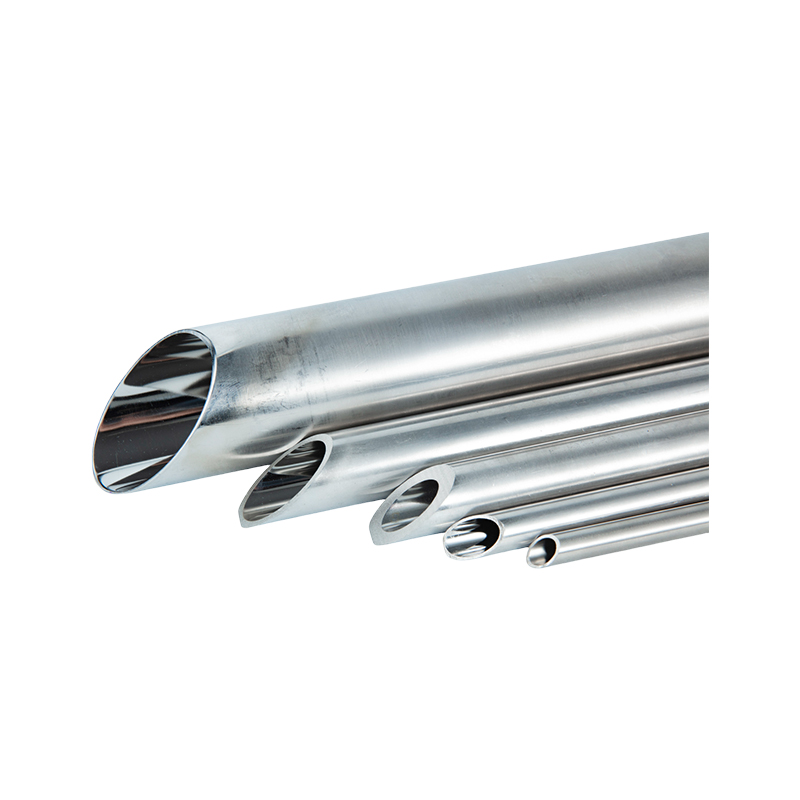
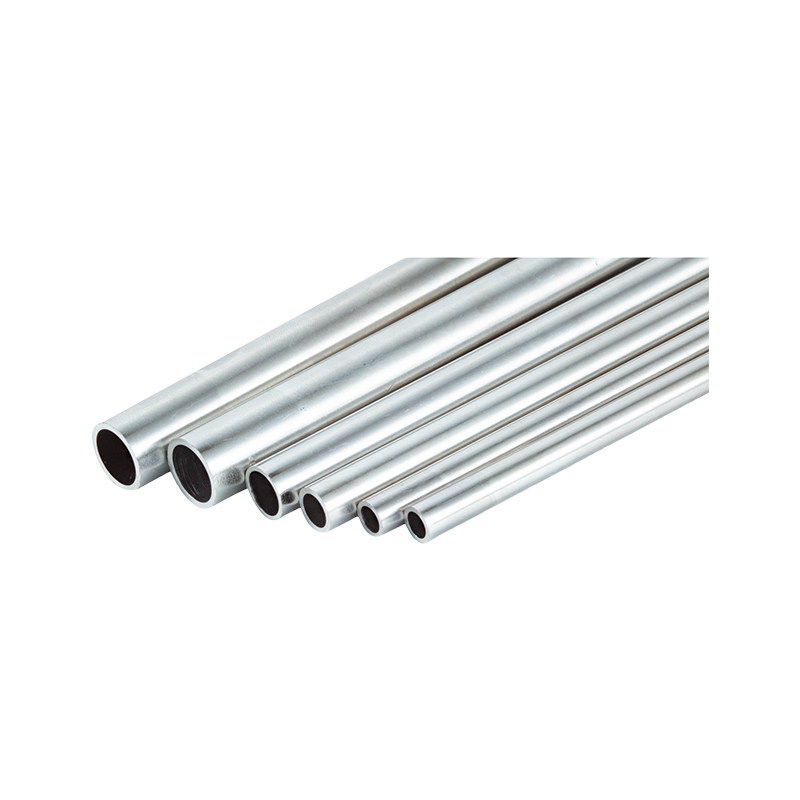
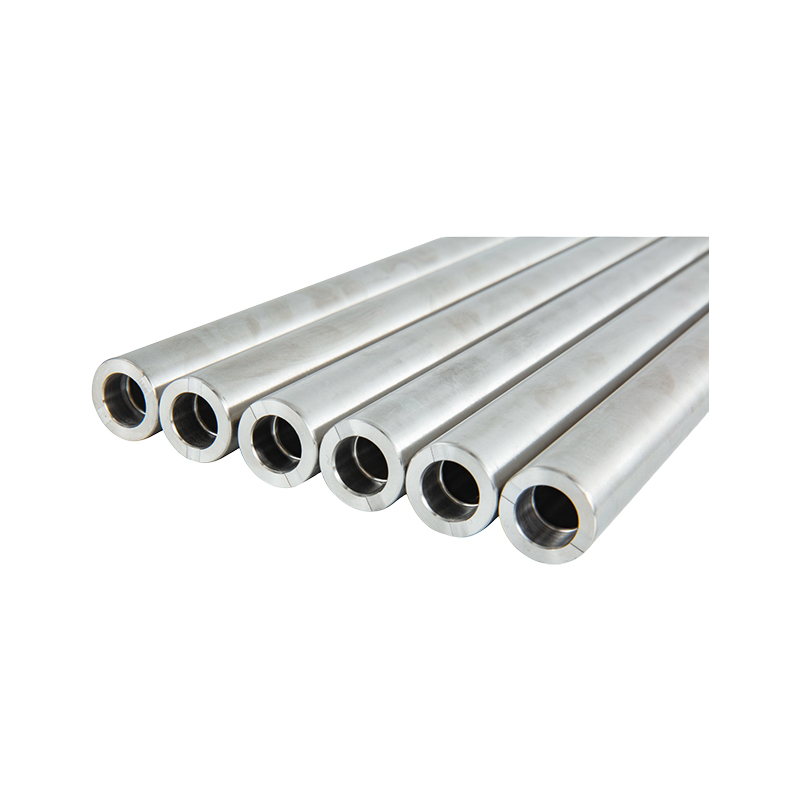
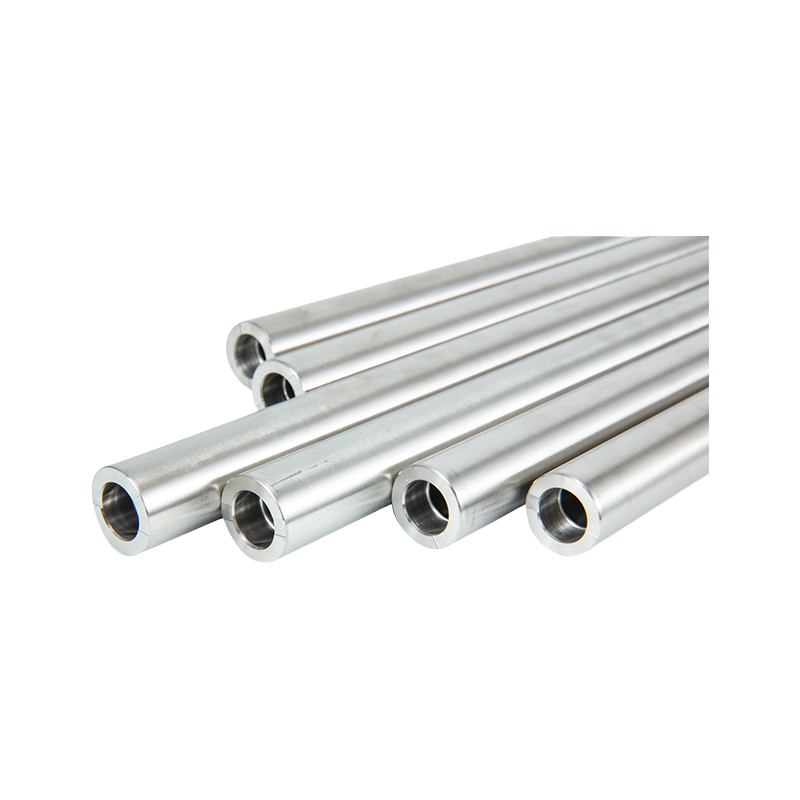
In industrial applications, stainless steel electrolytic tubes are widely used in critical scenarios such as water electrolysis for hydrogen production, electrochemical processing, cooling systems, and high-temperature fluid transmission.